Unlocking Investment Potential How Singapore Condo Financing Options Help Local Investors Navigate Rising Interest Rates

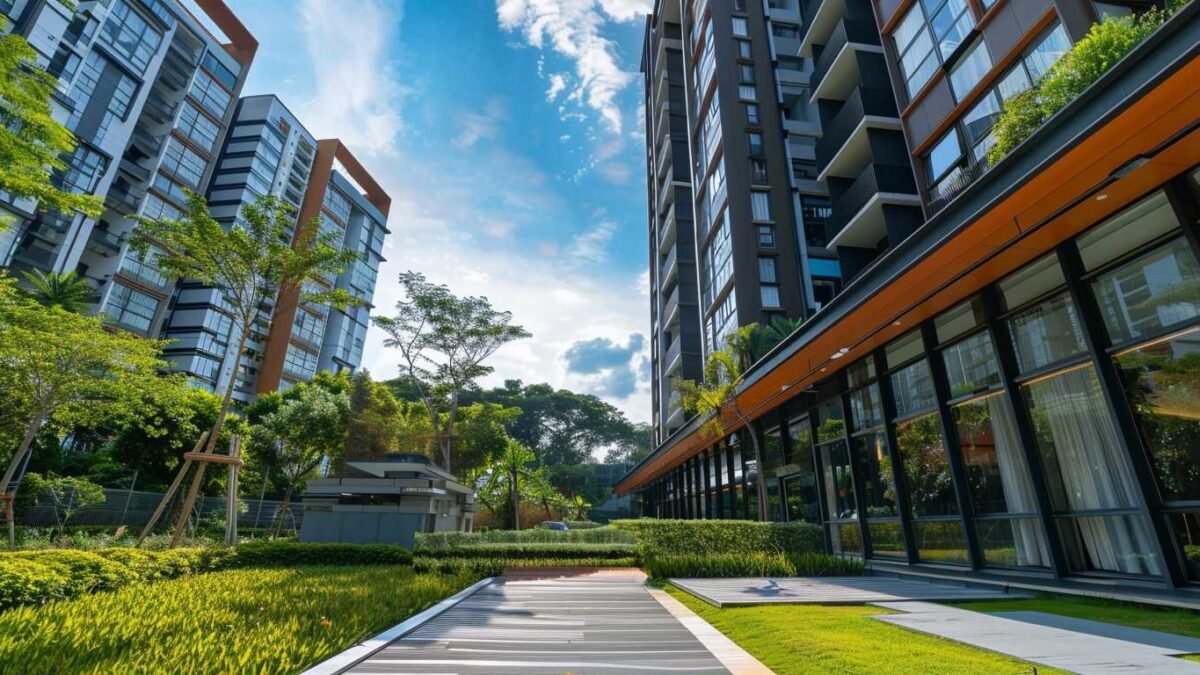
A naturally Singapore condo usually showcases contemporary architecture, revamped floor plans, and updated fixtures and furnishings that cater to current lifestyle trends. These residences often boast advanced home automation systems and eco-friendly appliances, adding convenience and sustainability to their appeal.
Singapore is known for its strong and stable economy, making it an attractive location for local investors looking to grow their wealth. One popular investment option for many Singaporeans is the purchase of condominiums, also known as condos. These properties offer a balance of affordability and potential for high returns, making them a top choice among investors.
However, it is essential to conduct thorough research before choosing this option, as it may come with higher risks compared to traditional financing methods.
Aside from traditional mortgage loans, there are also other unconventional financing options for condo purchases in Singapore. These include crowdfunding and peer-to-peer lending platforms that allow investors to pool their funds and invest in properties together. This option can be appealing for those who do not have the means to purchase a condo on their own but still want to reap the benefits of investing in the property market.
However, as interest rates continue to rise globally, many investors are concerned about the impact it may have on their investment potential. This is where Singapore condo financing options come into play, helping local investors navigate the rise in interest rates and unlock their investment potential.
This makes it a more stable investment option for buyers.
One of the main reasons why condos remain an attractive investment option is their potential for high returns. In Singapore, the property market has shown steady growth over the years, with an average annual increase of around 5%. This growth is driven by various factors such as limited land supply, strong demand, and government regulations that help maintain the market’s stability.
Another option available to investors is to take out a loan from the Housing and Development Board (HDB). This option is only available for Singapore citizens and permanent residents and is subject to certain eligibility criteria. The HDB loan offers a fixed interest rate that is lower than most bank loans, making it an appealing option for investors looking to minimize their borrowing costs.
In conclusion, while the rise in interest rates may pose a challenge for investors looking to finance their condo purchases, there are various financing options available to help them navigate this issue. With careful consideration and research, investors can still unlock the full potential of investing in condos in Singapore. With the country’s strong economy and stable property market, condos remain a lucrative investment option for local investors.
Before we delve into the various financing options available, it is essential to understand the current market situation. Interest rates have been on the rise globally, a trend that is expected to continue in the coming years. This increase in interest rates is primarily due to the stronger global economy and the tightening of monetary policies by central banks.
The condominium market in Singapore enjoys a lucrative resale segment as well. Whereas a newly launched condo typically incurs a higher cost, a resale condo can offer greater value in terms of both size and location. As an illustration, an aged freehold condo situated in Districts 9, 10, or 11 may boast more spacious living areas compared to a newer leasehold unit, making it a preferred choice for families and investors seeking long-term appreciation in value. Additionally, a freehold property is often viewed as a superior asset, as it eliminates the threat of lease decay over time. This makes it a more secure investment avenue for potential buyers.
When it comes to financing options, Singaporean banks provide advantageous mortgage rates to eligible purchasers, thus increasing the feasibility of investing in condominiums. Additionally, utilizing CPF funds for property acquisitions assists local investors in handling initial payments and ongoing installments. Nevertheless, it is crucial for investors to be cognizant of potential hikes in interest rates, which could potentially affect their cash flow and overall profits. To mitigate this risk, it is prudent for investors to set aside reserves and consider long-term patterns rather than fleeting market fluctuations.
The ABSD is a tax imposed on individuals purchasing a second or subsequent residential property in Singapore, while the SSD is a tax on the profit made from selling a property within a certain period. These taxes may add to the overall cost of purchasing a condo, and investors should factor them into their investment calculations.
Furthermore, condos in prime locations such as the central business district or near transportation hubs tend to see higher demand, resulting in higher rental yields and capital appreciation. This makes condos an ideal investment for those looking for a long-term investment with potential for high returns.
However, with the rise in interest rates, these mortgage loans may become less affordable for investors. This is where the option of refinancing comes into play. Refinancing involves taking out a new loan to replace the existing one, usually with better terms, such as lower interest rates. This option can help investors lower their monthly mortgage payments and navigate the rise in interest rates.
In Singapore, the interest rate is closely tied to the U.S. Federal Reserve’s interest rate, and as a result, Singapore has also seen an increase in interest rates. This means that investors looking to finance their condo purchases will have to face higher borrowing costs. However, this does not necessarily mean that the investment potential of condos in Singapore has diminished.
Additionally, the HDB loan also allows for longer loan tenures of up to 30 years, compared to the usual 25-year tenure offered by banks. With a longer loan tenure, investors can spread out their repayments over a more extended period, making it more manageable to navigate the rise in interest rates.
Apart from considering the various financing options available, investors should also take into account the potential impact of additional taxes and fees on their condo investment. These include the Additional Buyers’ Stamp Duty (ABSD) and the Seller’s Stamp Duty (SSD).
Now, let’s take a closer look at the financing options available for local investors who are interested in purchasing a condo in Singapore. The first and most common option is to take out a mortgage loan from a bank. Many banks in Singapore offer mortgage packages specifically designed for condos, with attractive interest rates and flexible repayment terms.